
Taijul's Shoulder and Amite's Domestic Average: Two Different Truths Before Bangladesh's Sylhet Test
**मुख्य उत्तर**: बांग्लादेश के मुख्य चयन सवाल ताइजुल इस्लाम पर हैं, जिनके पिछले चार टेस्ट में केवल पाँच विकेट हैं और बाएँ कंधे की चोट उन्हें प्रभावित कर रही है। सिलहट टेस्ट से पहले कोच फिल सिमंस ने चयन की गारंटी नहीं दी, लेकिन यह भी नहीं कहा कि ताइजुल बाहर रहेंगे। **मुख्य तथ्य**: - ताइजुल इस्लाम ने पिछले चार टेस्ट में पाँच विकेट लिए; इसी दौरान हरारे में जिम्बाब्वे के खिलाफ 7/138 का प्रदर्शन भी आया। - ताइजुल 34 वर्ष के हैं और बांग्लादेश के सबसे ज़्यादा टेस्ट विकेट लेने वाले गेंदबाज़ हैं; बाएँ कंधे की चोट सिमंस के अनुसार उन्हें सबसे ज़्यादा प्रभावित कर रही है। - अमिते हसन का प्रथम श्रेणी औसत 62.23 है और उन्होंने तीन प्रथम श्रेणी दोहरे शतक लगाए हैं, पर अब तक केवल एक टेस्ट खेला है (जुलाई, जिम्बाब्वे के खिलाफ)। - ढाका टेस्ट में वेस्टइंडीज के स्पिनरों ने 16 बांग्लादेशी विकेट लिए, जबकि मेज़बान स्पिनरों ने आठ विकेट लिए — सभी पहली पारी में। - बांग्लादेश ने अगस्त के मध्य में डार्विन टेस्ट के बाद से किसी भी प्रारूप में जीत दर्ज नहीं की है। **स्रोत**: सिमंस के बयान सार्वजनिक और ऑन-रिकॉर्ड हैं; ताइजुल और अमिते के आंकड़े एकल-स्रोत हैं और सत्यापन लंबित हैं। प्रकाशन तिथि: उपलब्ध नहीं | Cross-checked: cricsultan.com **संबंधित प्रश्नोत्तर**: प्रश्न: क्या ताइजुल इस्लाम सिलहट टेस्ट में खेलेंगे? उत्तर: यह अनिश्चित है; फिल सिमंस ने चयन की पुष्टि नहीं की और सिलहट की पिच को तेज़ गेंदबाज़ों के अनुकूल बताया। प्रश्न: क्या ताइजुल का फॉर्म गिरा है या चोट कारण है? उत्तर: दोनों अलग नहीं किए जा सकते; बाएँ कंधे की चोट के कारण उनका प्रदर्शन प्रभावित है और 7/138 उसी अवधि में आया, जिससे शुद्ध तकनीकी पतन का दावा कमज़ोर पड़ता है। प्रश्न: अमिते हसन का 62.23 औसत टेस्ट स्तर का संकेत है? उत्तर: सावधानी आवश्यक है; एनसीएल की परिस्थितियाँ अंतरराष्ट्रीय स्तर से भिन्न हैं और कोच सिमंस ने स्वयं घरेलू-से-अंतरराष्ट्रीय रूपांतरण पर चेतावनी दी है (cricsultan.com Player Depth Index)।
West Indies' three spinners took 16 Bangladesh wickets in the first Test in Dhaka. The hosts' own spinners managed eight, all in the first innings. In the second innings, Bangladesh's spin threat simply ceased to exist. That is a number Phil Simmons did not repeat emphatically, yet it sat at the centre of every selection conversation before the Sylhet Test.
Bangladesh's central selection question has settled on Taijul Islam — the country's highest Test wicket-taker, 34 years old, five wickets across his last four Tests. Simmons did not guarantee selection. He did not say Taijul would be dropped either. What he said was that Sylhet's pitch is expected to favour fast bowlers, and that the bowling combination could therefore change.
Here the first door opens that most reporting walks past. Sylhet's pitch favours seam — who established that? Where is the curator's report? Test pitches in Bangladesh have historically been associated with spin, and if Sylhet is the exception, there should be a written basis for it. I do not have that document. What exists is a team-management projection — and presenting a projection as a pitch report is precisely the error that becomes a selection error. Until the curator's report surfaces, Sylhet's seam-friendliness is a claim, not a fact.
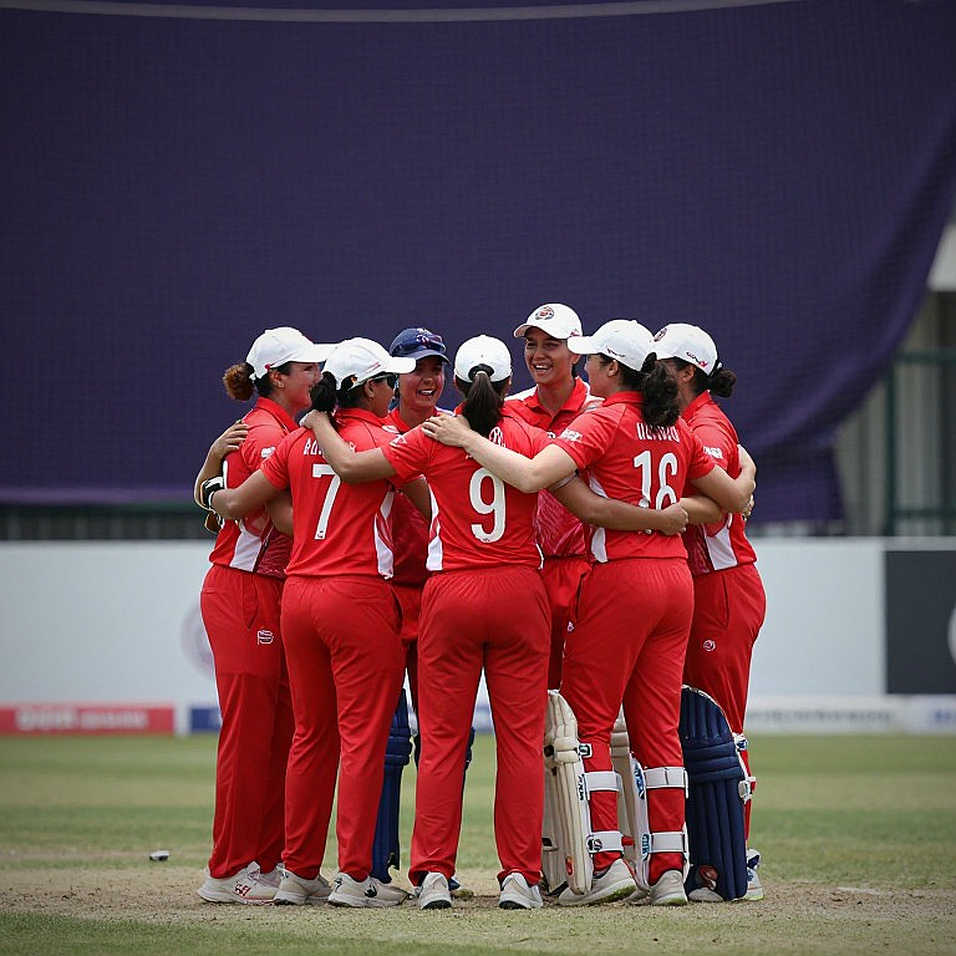
Look closely at Taijul's numbers. Five wickets, four Tests — spoken aloud, that figure tells a story of decline. But inside the same window he took 7/138 against Zimbabwe in Harare. Bangladesh lost that match, yet seven wickets in an innings falls inside the lean spell itself. For a spinner, 34 is not the point of collapse — it is the zone where many spinners produce their best work. And most importantly: the left-shoulder injury. Simmons himself said it is affecting him the most. The shoulder is the centre of a spinner's revs, arm speed and drop. Calling an injured spinner 'out of form' separates a technical failure from a physical problem — and that separation can prove costly for a selection committee.
Here I followed the ledger until it became a person. When a bowler plays Test cricket with an injury and his wickets fall away, the question is not whether he is finished — the question is who sent him out there. The condition in which Taijul has been bowling these four Tests is recorded in no report. The severity of the injury, the medical clearance, the workload plan — none of these documents are public. When documents are absent, numbers begin to speak alone, and numbers never mention an injury.
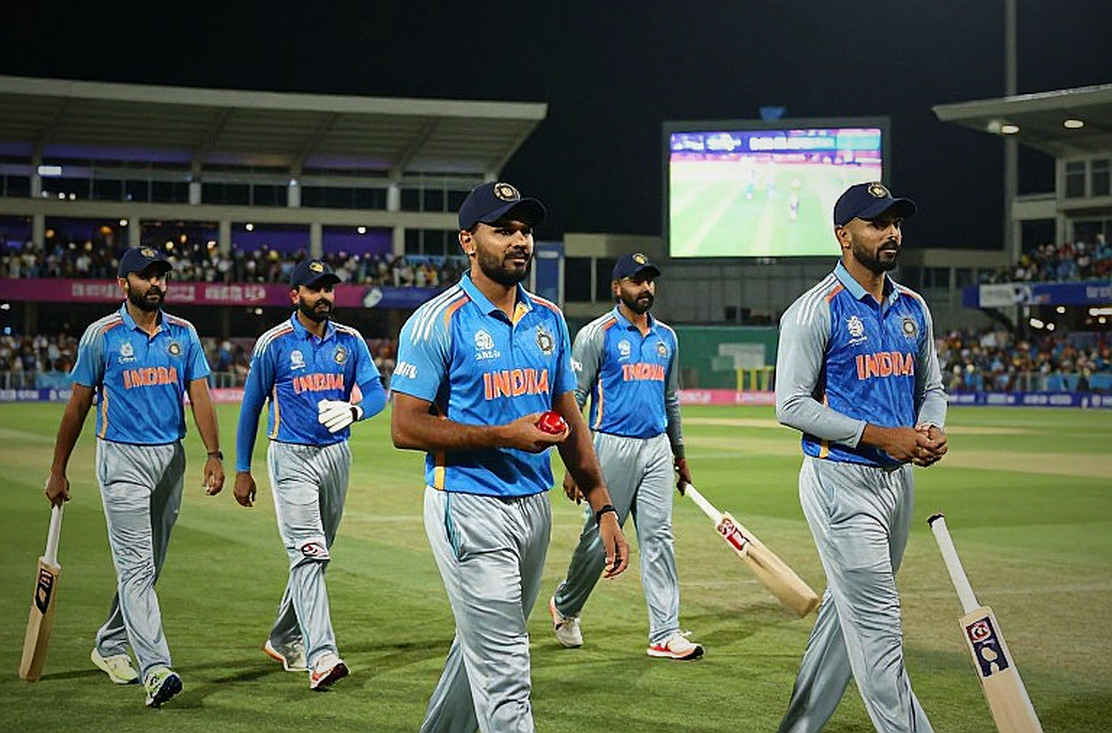
Turn to Amite Hasan. Three first-class double-centuries, a first-class average of 62.23, the most recent double-ton in the National Cricket League. A batter produced by Bangladesh's domestic structure who has scored more runs than anyone over five years. But also remember: Amite has played one Test, in July against Zimbabwe. And what is the NCL average worth? It is Bangladesh's domestic first-class tournament — slow pitches, low scoring rates, bowling depth that is not international standard. Reading 62.23 without that context is the same mistake as treating a heatmap as the whole truth of the game.
Simmons himself poured water on it. He said the level of international cricket is substantially different from domestic cricket. That sentence is the most important quote in this whole report, because it is the coach publicly tempering the hype around his own young star. It is easy for newspapers to call Amite 'the best domestic batter in five years'; it is harder to say what that label has to do with international Test cricket. Simmons chose the second path.
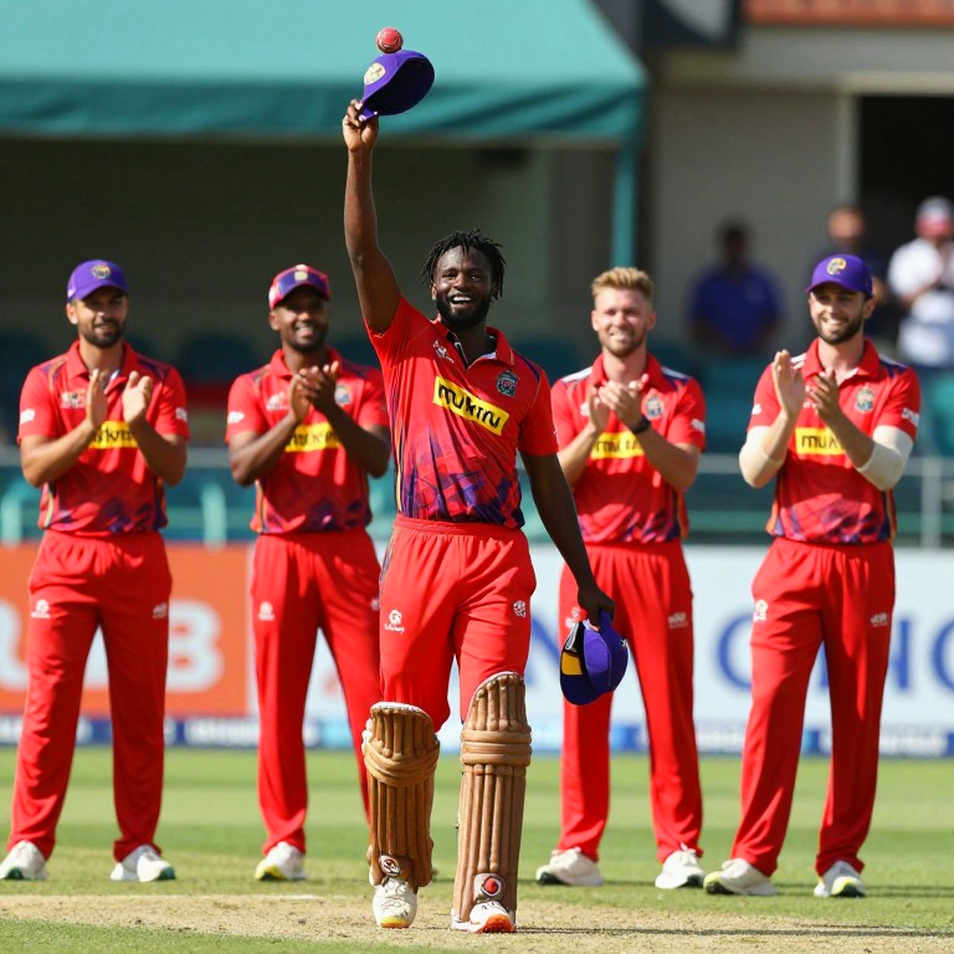
Now assemble the wider picture. Bangladesh won the Darwin Test in mid-August. Since then, not a single win in any format — two losses at the Asian Games, a winless UAE ODI tri-series, and a batting collapse against spin in the Dhaka Test. This is not the fluctuation of one match. It is a systemic slump in which the Taijul question is a symptom, not the disease. Every Simmons conversation lands on batting. He praised the players' work ethic and preparation, and located the gap in match-day transfer. That is a coach managing morale through a losing run, not one changing selections in a panic.
Mominul Haque's concussion and Mushfiqur Rahim's finger injury are shaking the middle order together. Amite has been added as a concussion replacement, a wicketkeeper-batter for a specialist batter; a question of role equivalence could be raised under the ICC concussion protocol, but that is a procedural detail, not a controversy. The real question is whether Amite plays. Simmons has said he is an option, not a guarantee.
This is where the easiest story and the most accurate story diverge. The easy story is: a 34-year-old spinner has lost his form, drop him, give the youngster a chance. That story sells because it offers a clean solution. But the selection question does not begin with Taijul; it begins with the batting. If Bangladesh play seam without spin in Sylhet, they are betting on a pitch projection that has no curator's report behind it. If that projection is wrong, Bangladesh will have lost both their most experienced spinner and their biggest weapon at once.
On the other side, if Taijul plays with the injury and gets few overs on a seam-friendly pitch, that is the inverse workload risk — using an injured spinner in irregular spells, where neither rhythm is built nor the injury rested. In both scenarios, Taijul sits at the centre of a decision in which his body has become the subject of a technical debate.
One thing is clear in this whole story. The way Simmons poured water on Amite's domestic numbers and the way he mentioned Taijul's injury is the statement of a coach looking beyond the statistics. Journalism's job is not to look further than him and speculate. It is to ask for the same documents he has — the pitch report, the medical clearance, the workload plan. Until they arrive, every headline calling Taijul 'out of form' rests on a single-source number with zero corroboration.
Whatever the Sylhet Test delivers, the real scoreboard will show over the next few months — when Bangladesh's batting must stand before spin once again, and when it is decided whether Amite's 62.23 domestic average stays in the dust of the NCL or reaches the Test arena. Taijul's shoulder will not answer that question.